How Things Get Dirty
The Journey: Fuel travels a long way from an oil refinery to our motor vehicles and heaters. It flows through pipelines, is hauled by ships and trucks, and is stored at fuel delivery sites before we pump it into our trucks, boats, and furnaces. Even when great care is used to transport and store fuel, it can pick up dirt, water, and other debris that can cause problems for an engine or a furnace.
Water: Water is a common problem, and frequently accumulates in fuel tanks via condensation or even something as simple leaving the cap off your tank. It invites rust and aids in the production of bacteria as well as other micro-organisms that thrive in the interface between diesel fuel and water. Over time these organisms die off and accumulate in the lowest points of the tank - the corners, the edges and the sides of the baffles.
Degradation: Equally as problematic is the degradation of fuel over time. Asphaltene, an organic compound found in crude oil that is difficult to remove during the refining process, will slowly fall out of suspension and leave sludge deposits in the tank, filter, and even the engine. Although the process of fuel degradation takes months, old fuel will eventually present issues.
Our Services
From subtle leaks to full overhauls, we trace the root cause and craft a repair roadmap that aligns with your goals and keeps your fuel tank in top shape.
Tank Repair
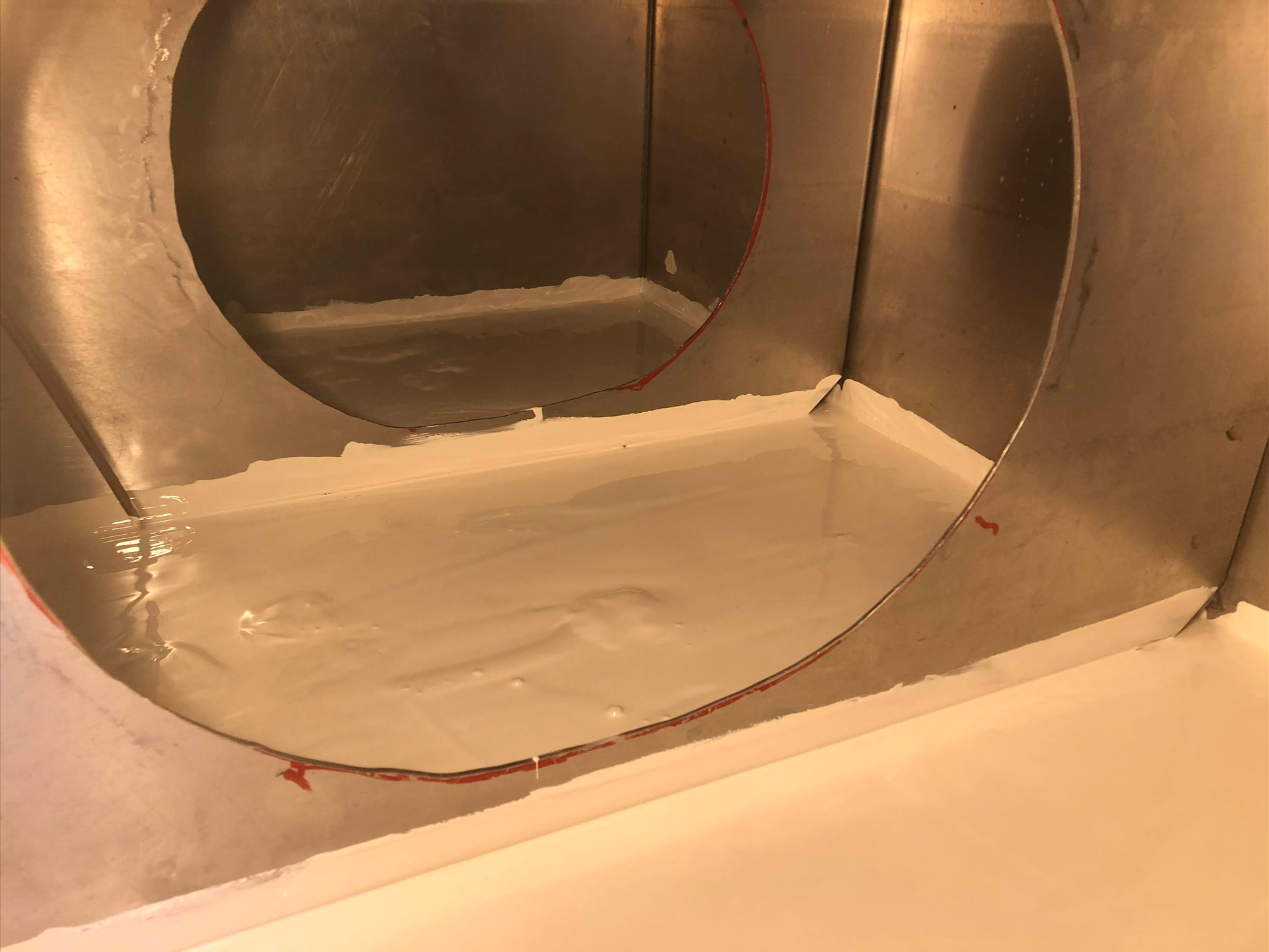
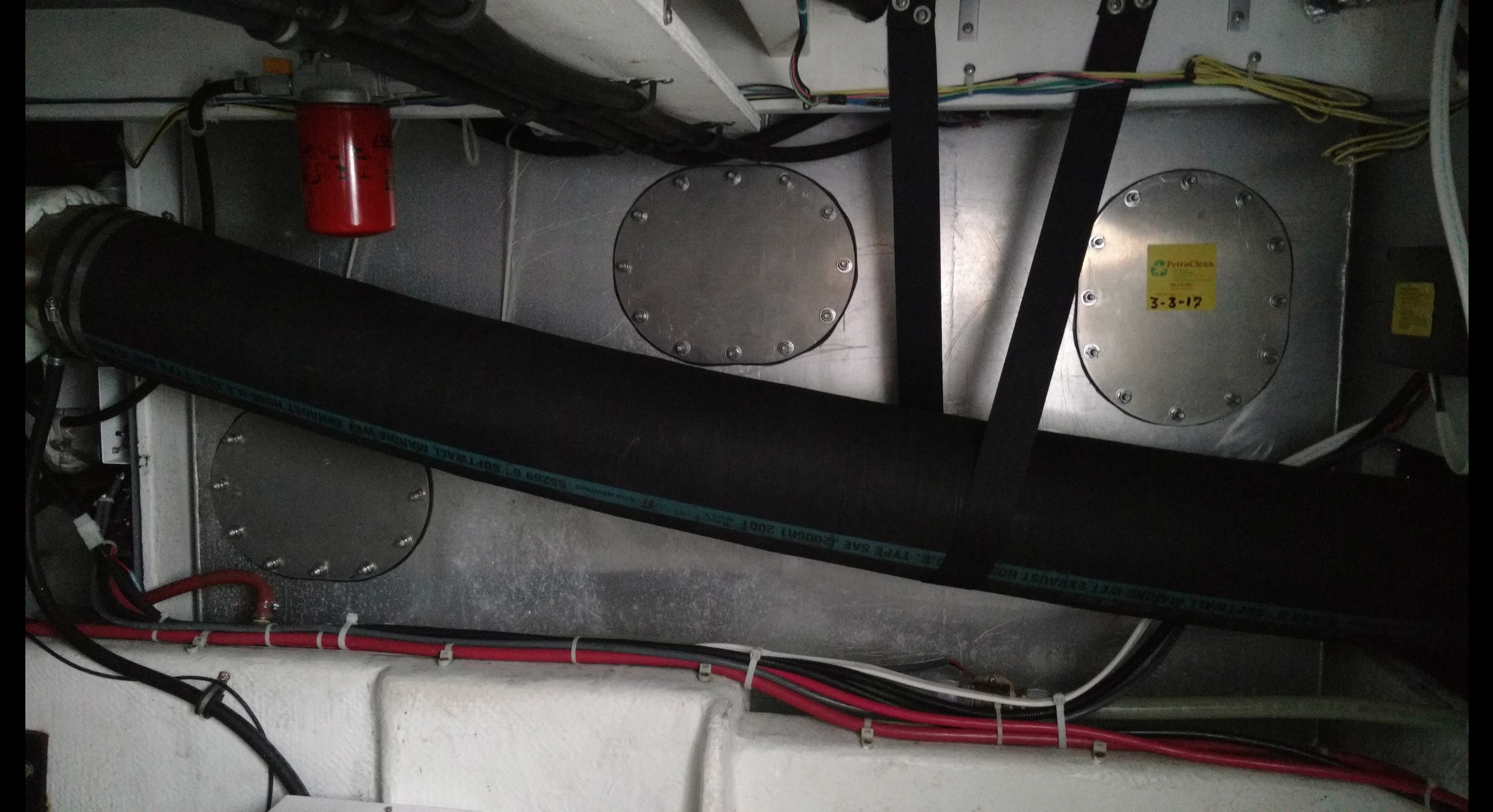
Anchor Access Plates are what allow us to get inside a tank to assess and resolve any issues right at the source. They consist of a precision, laser cut, aluminum plate and gasket with no seams.
Anchor Access Plates
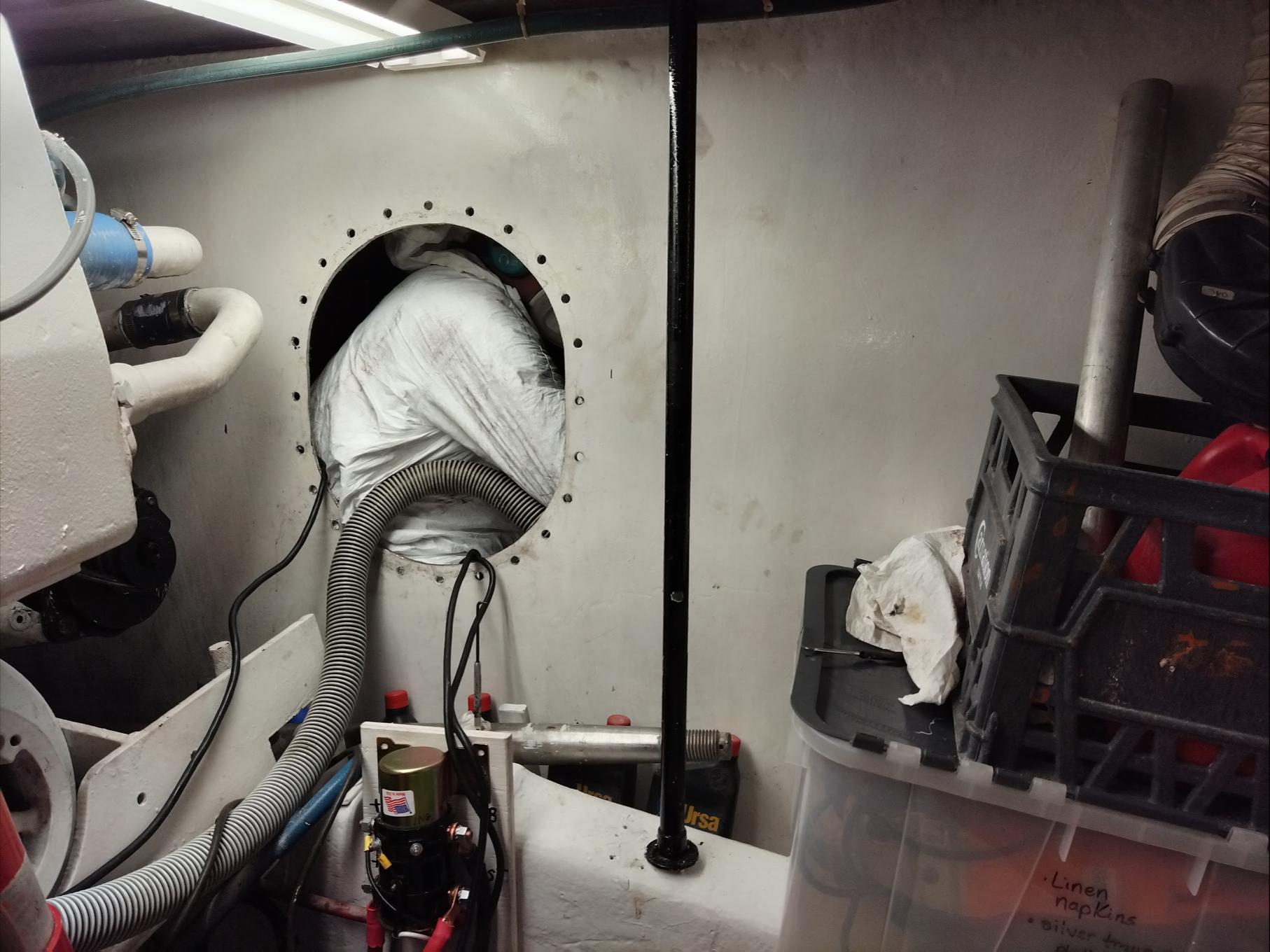
Cleaning your existing fuel tank includes the removal of the fuel and thorough scrubbing and rinse.
Tank Cleaning
Cleaning, or polishing, your existing fuel includes the removal of the fuel from the tank, thorough cleaning of the tank, and the removal of particulates from your fuel which is then returned to your clean tank.
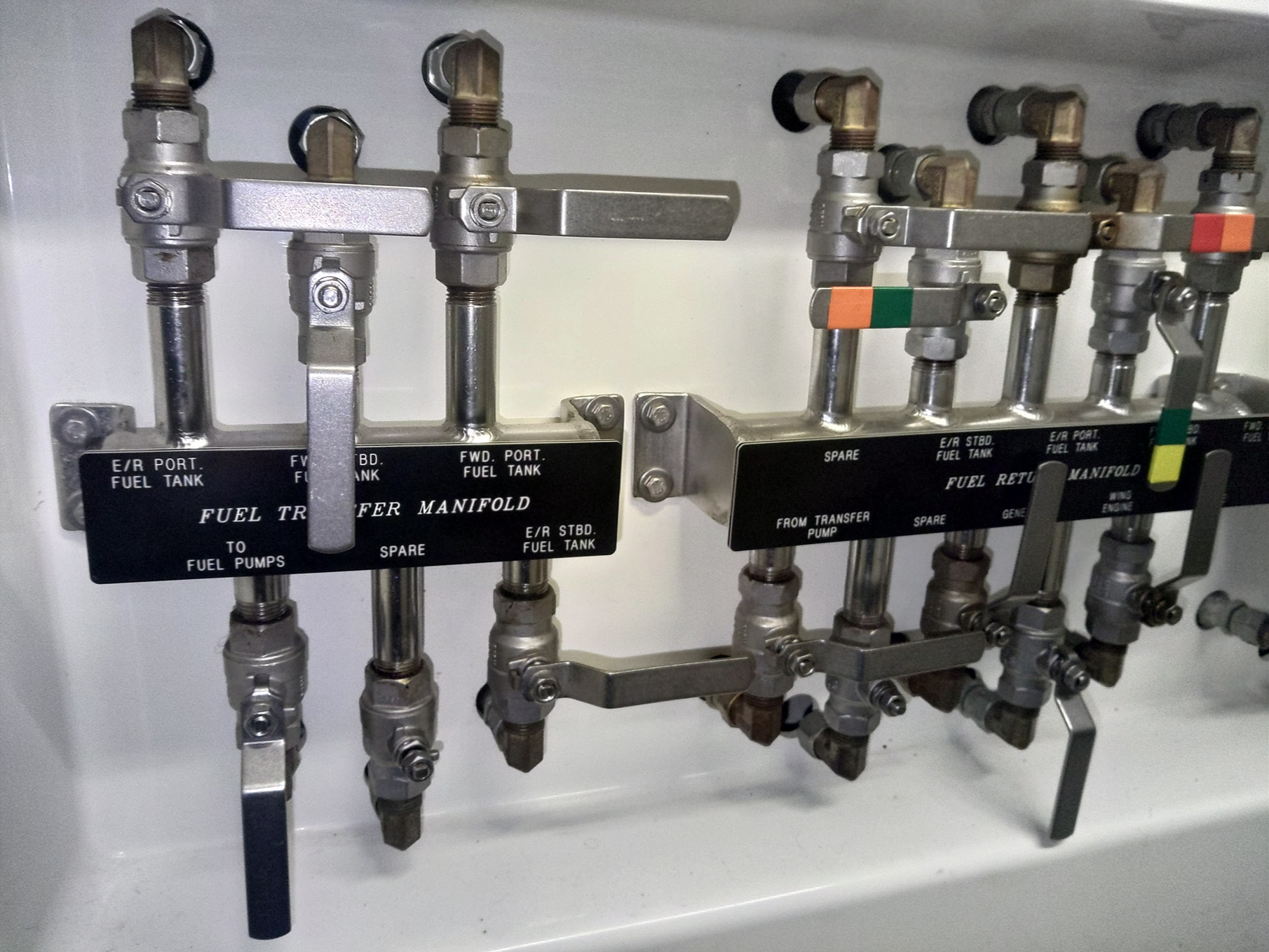
Fuel/Oil Polishing
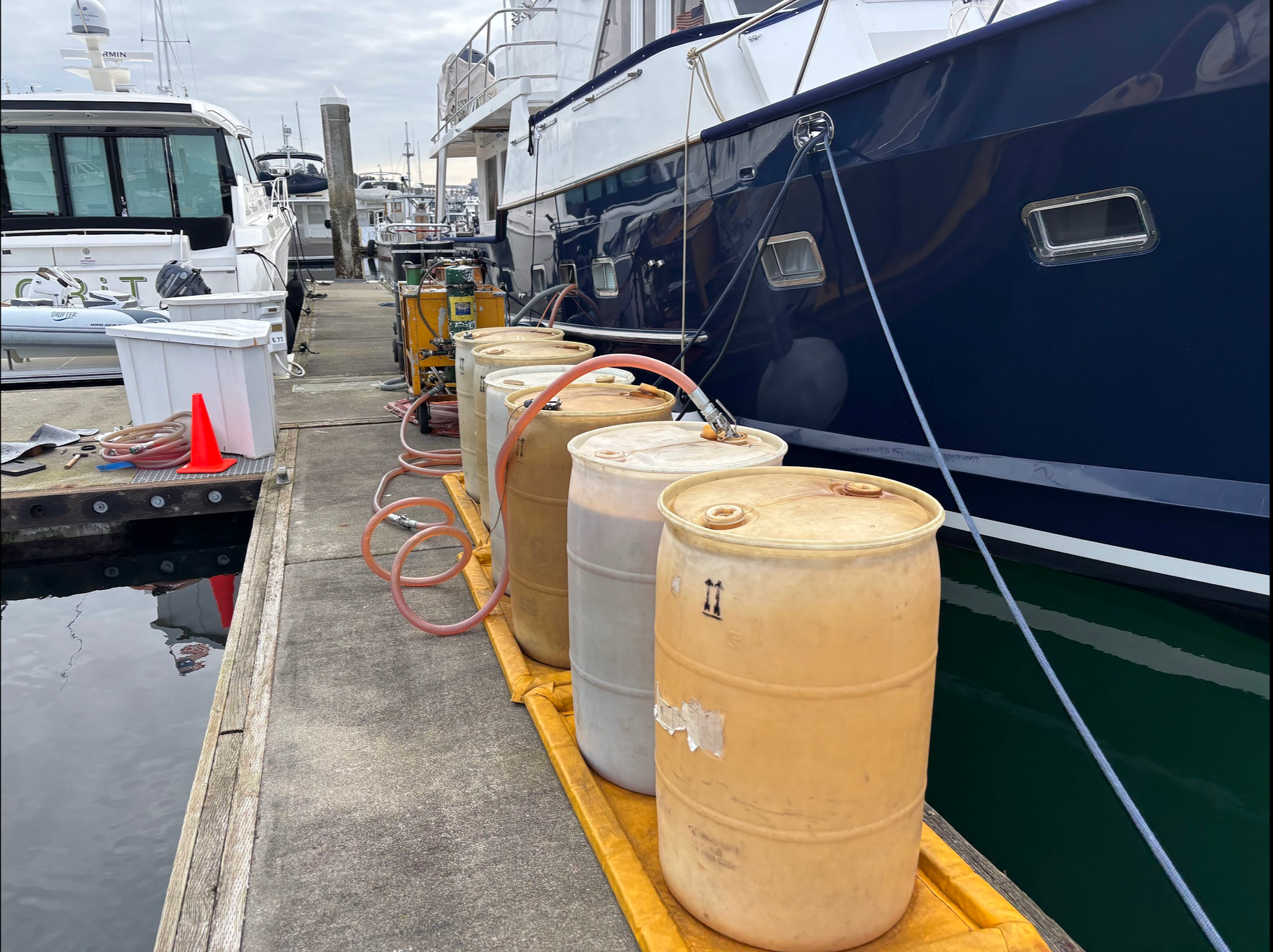
Transfers
Transfer fuel or oil from one tank to another.
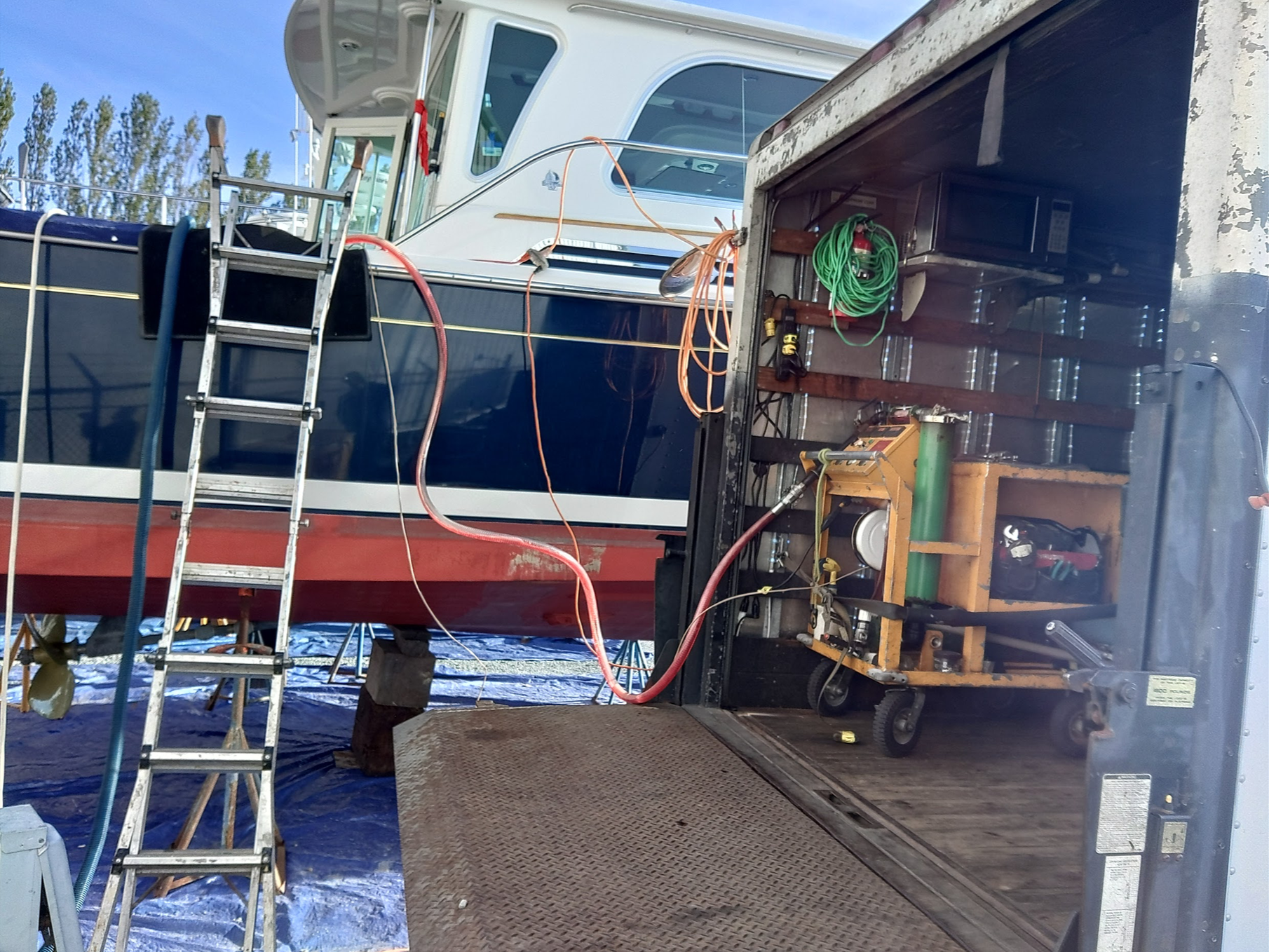
If you have a problem and you don’t see a solution here, call us and ask about it - we may be able to help!
Other System Issues